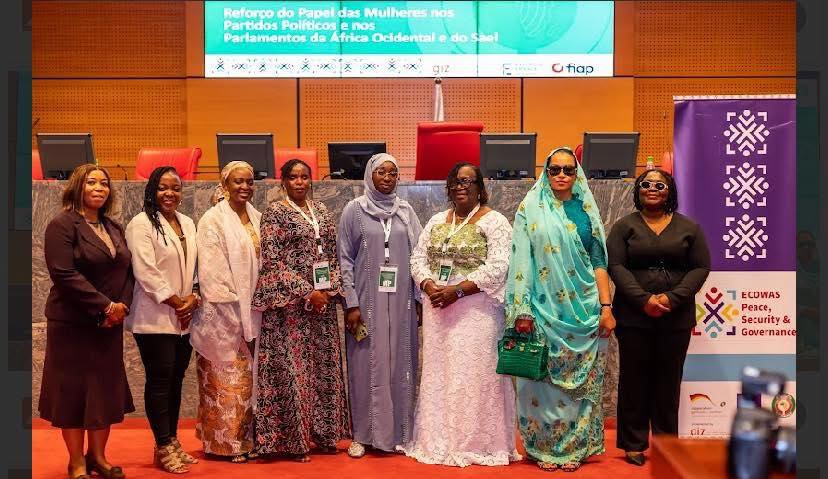
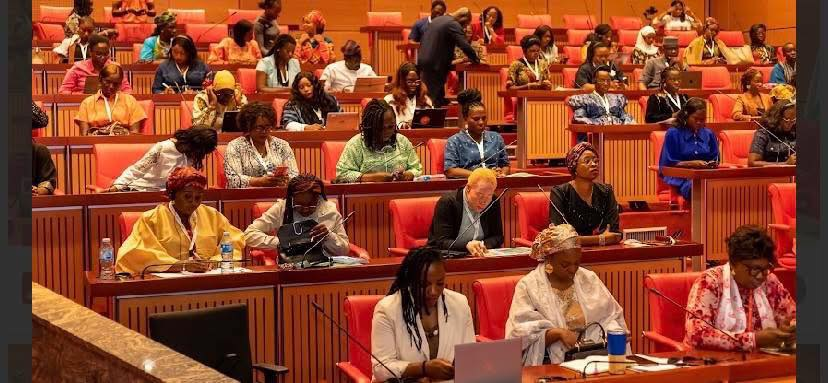
From Emerging Voices to Regional Influence
Across West Africa, young women have long demonstrated leadership within communities, civic movements, academic institutions, and professional sectors. Yet their representation within formal governance systems, regional decision-making platforms, and policy architecture has remained limited.
ROAJELF – Network of Young Female Leaders (ECOWAS Chapter) emerged from this structural gap.
It was not created merely as a network—but as a coordination mechanism. Not as a symbolic platform—but as an institutional response to underrepresentation within regional governance processes.
The WorkToday
Today, ROAJELF operates across ECOWAS Member States through a multi-tier governance framework that ensures regional representation, strategic coherence, and operational integrity.
Its work spans:
- Gender equality and political participation
- Youth, Peace & Security
- Promote women’s economic inclusion and entrepreneurship
- Facilitate structured dialogue between youth leaders and regional institutions
- Leadership development and mentorship
Each pillar is aligned with regional and continental commitments to inclusive governance and sustainable development.
What Makes ROAJELFDistinct
ROAJELF does not function solely as a membership network.
It operates as:
- A regional coordination mechanism
- A policy intermediary
- A leadership incubator
- A structured institutional partner
Its strength lies in its ability to connect emerging female leaders with the architecture of regional governance—ensuring that participation is not symbolic, but systemic.
Looking Ahead
The future of West Africa depends on inclusive leadership and intergenerational collaboration. As the region navigates democratic consolidation, economic transformation, and peacebuilding challenges, structured youth and gender inclusion becomes not optional—but foundational.
ROAJELF remains committed to strengthening institutional pathways that ensure young women are not observers of regional transformation—but architects of it.
Governance Structure
1.Regional General Assembly
2.Executive Committee
3.Regional Secretariat
4.National Chapters
5.Thematic Working Groups
This structure ensures institutional accountability, regional representation, and programmatic coherence.
Secretariat Structure
1.Strategic Coordination
2.Policy and Research
3.Programme Implementation
4.Partnerships and Institutional Relations
5.Communications and Knowledge Management
6.Monitoring, Evaluation, and Learning